 The Trusted Mission Data Summit –
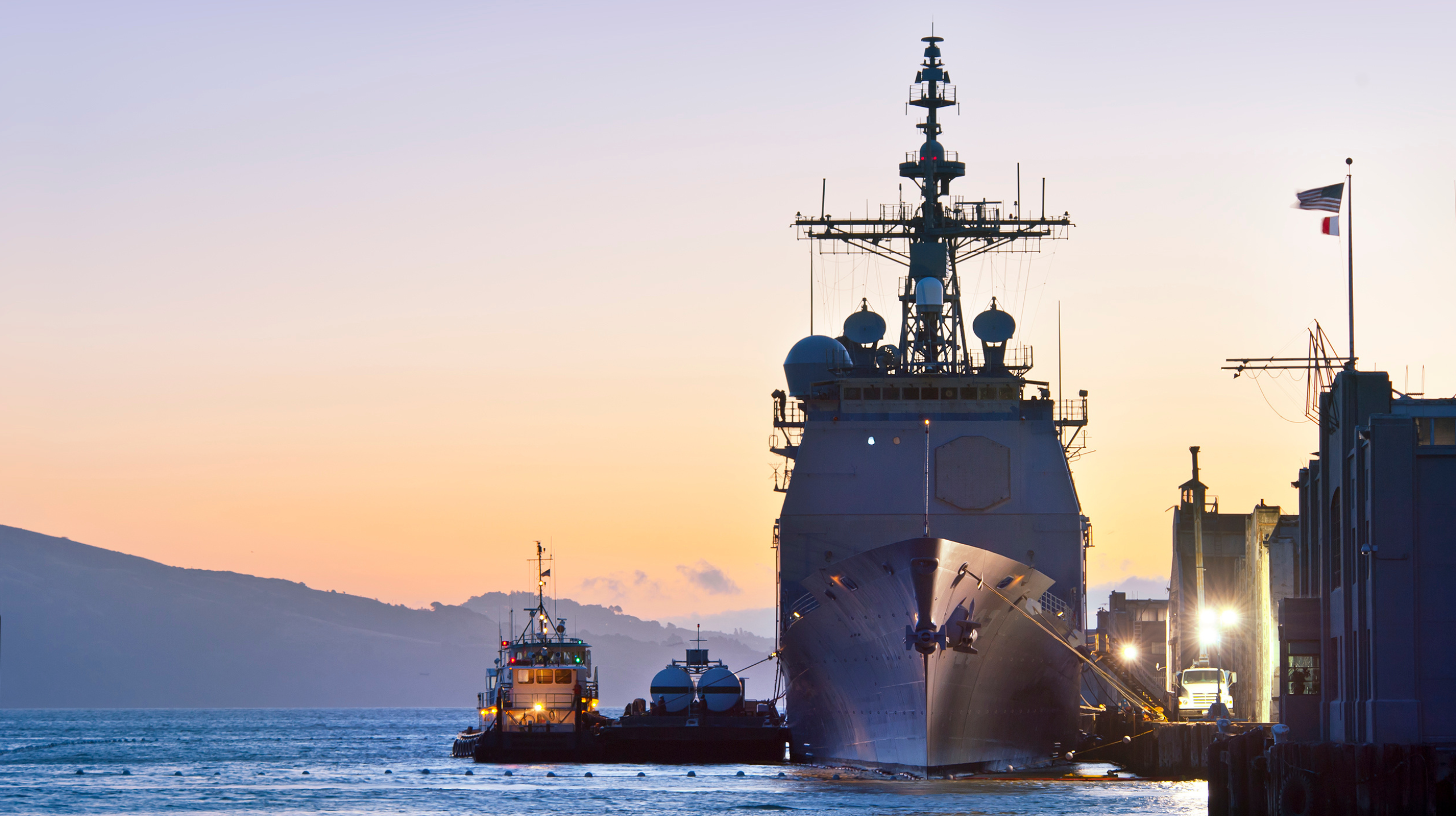
A national defense organization and an industry consortium needed a secure way to collaborate in real time during the development of a next generation operational system. The program involved sensitive components such as mission software, subsystem configurations, technical documentation, and engineering data. Both organizations required a disciplined method to coordinate design decisions while keeping all classified information protected.
The Mission
The mission was to enable a national defense organization and a major shipbuilder to collaborate securely and instantly throughout the development of a new warship class. Both partners needed a trusted way to review sensitive designs, discuss engineering changes and maintain continuous alignment across different organizations and classification levels. The mission was clear: Remove slow manual processes, reduce risk tied to handling classified material and help to ensure that every decision could be made with real time access to the most accurate and authoritative information.
The Challenge
Although communication was possible, it relied on slow, manual processes that restricted productivity. Classified information could not be exchanged easily, and teams often had to travel between facilities to view documents or align on changes. Engineering feedback cycles slowed progress and introduced risk across the program. Moving classified artifacts between networks remained difficult and risky, and both organizations needed a secure method to collaborate across different classifications without compromising the development timeline.
The Result
A secure, policy‑controlled collaboration channel was established between the defense organization and the consortium. It allowed authorized personnel on both sides to view and discuss sensitive material in real time without transferring full files. Teams could open technical documents instantly, review them together, and provide feedback while maintaining separation between networks and classification levels.
Everfox helped to enable:
- Real time shared visibility across classifications.
- Faster engineering cycles with fewer manual steps.
- Scalable model for future collaboration.
- Real time shared visibility across classifications
The Impact
Teams no longer needed to travel between facilities. They gained real time visibility into project status and design updates. Decisions that previously took days could be made in minutes. Program risk was reduced and collaboration became faster and more efficient. This model can be reused for other government and defense industrial base initiatives.