 The Trusted Mission Data Summit –
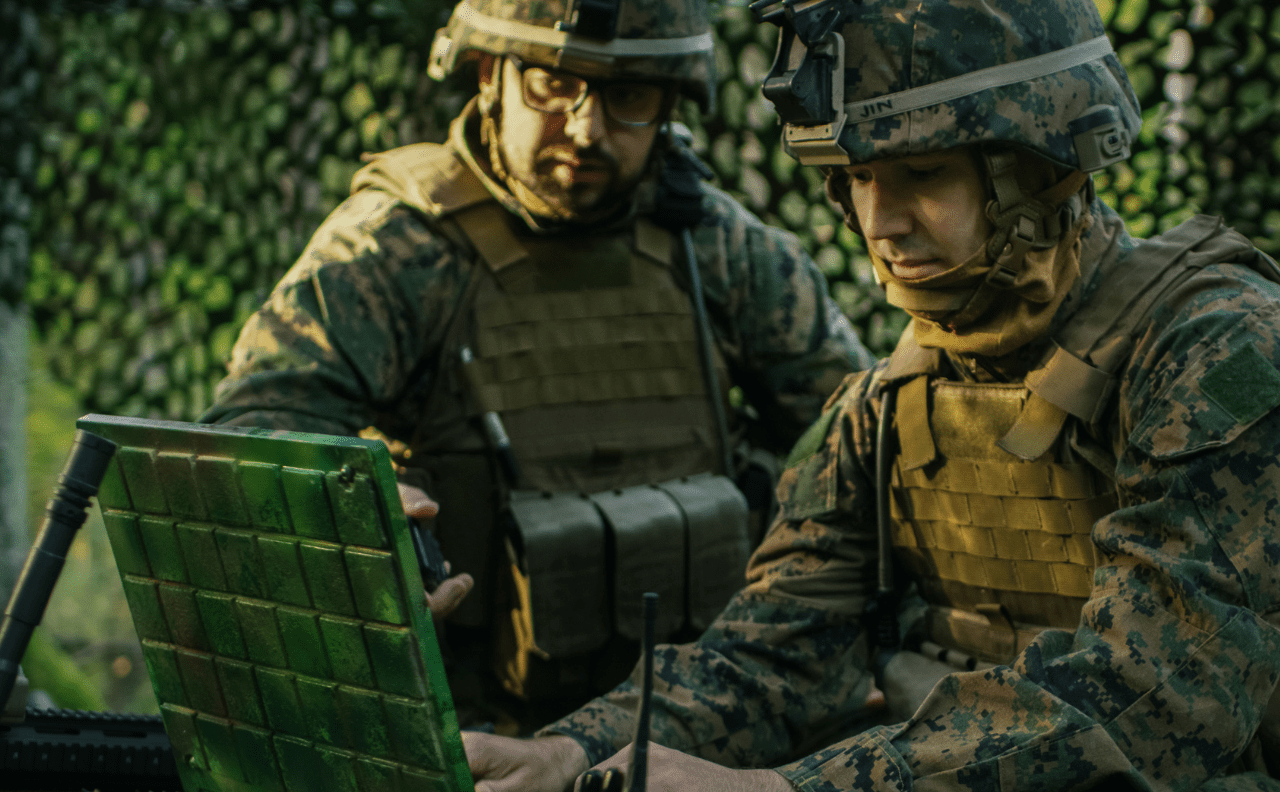

From Battlefield to Boardroom: Securing Data at Mission Speed
Mission-speed data security is becoming essential as modern organizations manage growing volumes of real-time data, once limited to military operations: how to process, secure, and act on massive volumes of data in real time.
In Episode 2 of the Fox Forum, Jack speaks with Tom Silio about how modern decision environments have evolved. From voice-based command structures to digitally connected ecosystems powered by sensors, analytics, and AI.
The conversation explores how lessons from defense operations can help enterprise leaders improve data security, decision-making speed, and operational resilience.
Why Mission-Speed Data Matters
Mission-speed data refers to the ability to collect, analyze, and securely distribute information fast enough to support immediate decisions.
“Twenty years ago, operational decisions often relied on voice communication and manual reporting. Today, organizations rely on dashboards and automated systems ingesting data from thousands of digital sensors.” Tom Silio, Fox Forum Episode 02
This shift creates a new challenge:
Decision-makers are no longer limited by information, they’re overwhelmed by it.
Organizations must now determine:
- Which data matters most
- Who needs access to it
- How quickly it must move across networks
- How to verify its authenticity
Without effective data management and security controls, information overload can slow decisions rather than accelerate them.
The Modern Data Decision Chain
Across both defense and enterprise environments, decisions increasingly follow a similar structure:
Sensors → Data → Analysis → Decision → Action
Each step introduces its own risks and requirements.
1. Data Collection from Sensors
Modern systems generate enormous amounts of data from:
- IoT devices
- Operational sensors
- Digital infrastructure
- Monitoring tools
- External intelligence sources
These data streams must be aggregated and structured before they become useful.
2. Secure Data Transfer
Data frequently crosses multiple networks, organizations, and security boundaries.
In multinational operations, information may move between systems with different classification levels, policies, or security architectures.
The same challenge exists in enterprise environments where data moves across:
- Cloud environments
- Partner networks
- Regional data centers
- Third-party platforms
Secure transfer mechanisms and cross domain security solutions are essential to maintain trust.
3. Data Validation
Speed is valuable, but trust in the data is critical.
Decision-makers must ensure that incoming information is legitimate and not manipulated or corrupted. This is where principles like Zero Trust Architecture (ZTA) become essential.
Validation mechanisms help determine:
- Whether data comes from a trusted source
- Whetherit matches expected formats or schemas
- Whether it has been altered during transmission
Without validation, even fast decisions can lead to costly mistakes.
How AI Accelerates Decision-Making
Artificial intelligence (AI) is increasingly used to analyze large datasets and identify patterns that humans would take much longer to detect.
AI systems can help organizations:
- Identify emerging threats
- Generate predictive insights
- Detect anomalies in large datasets
- Simulate operational scenarios
- Recommend actions based on available resources
In many cases, AI reduces analysis timelines from weeks to minutes, enabling faster operational responses.
However, AI systems require:
- Trusted data sources
- Secure information pipelines
- Strong governance and oversight
Without these foundations, AI can amplify errors rather than improve decisions.
Why Data Security Must Enable Data Sharing
One of the key lessons from defense operations is that security cannot become a barrier to action.
Protecting sensitive information is essential, but overly restrictive controls can prevent teams from accessing the data they need.
Effective security strategies balance three priorities:
Confidentiality – protecting sensitive information
Integrity – ensuring data accuracy and trust
Availability – ensuring authorized users can access the data
If any of these pillars fail, operational effectiveness suffers.
Organizations must therefore design systems that protect data while still allowing it to move quickly between trusted users.
Lessons Enterprise Leaders Can Learn from Defense Operations
Many of the challenges faced in defense environments are increasingly appearing in enterprise organizations.
Key lessons include:
Empower the Edge
Frontline teams often have the best operational awareness. Organizations should empower teams closest to the problem while maintaining centralized visibility.
Maintain Network Visibility
Leaders must be able to monitor system activity across distributed environments, identifying risks and anomalies quickly.
Prioritize Data Validation
Trust in data is essential for decision-making. Organizations must implement systems that verify incoming information automatically.
Use AI for Analysis, Not Just Automation
AI should support human decision-making by identifying patterns and presenting actionable insights.
The Core Principle: Manage Risk, Don’t Eliminate It
The most important takeaway from the discussion is that perfect security is impossible.
Instead, organizations must identify risks and manage them appropriately.
Protecting information is essential, but if data is locked away and never shared, it cannot deliver value.
The goal is to create systems where data moves securely, decisions happen quickly, and risks remain manageable.
The Fox Forum brings together experts to discuss the evolving challenges of cybersecurity, data sharing, and emerging technologies.
To explore this topic in more depth, watch the full conversation and subscribe for future episodes.